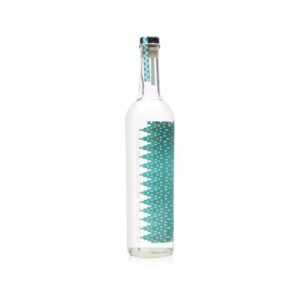
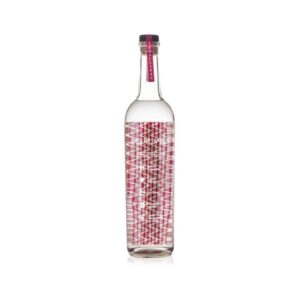
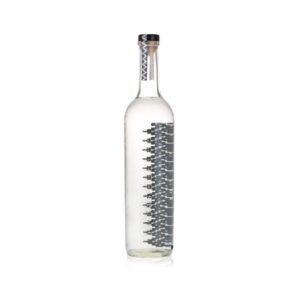
43.5% ABV
Derrumbes San Luis Potosí is an incredible example of a very particular style of mezcal crafted in the high altitude Central Mexican Plateau, in the state of San Luis Potosí.
Made from the region's wild agave Salmiana, it gives the mezcal a unique, vibrant flavour. Despite its abundance, this agave has a very low yield, needing up to four times as much to create an equal amount of spirit when compared to the blue agave used in the tequila region. Grown in calcareous soils, this mezcal terrifically showcases its terroir characteristics, with chalky notes very evident in the flavour profile.
Produced in an old traditional hacienda, above ground ovens known as hornos are used to cook the agave which mean their mezcal is not smoky. Once cooked, the agave is crushed by a tahona, fermented naturally with wild yeast, twice-distilled in small copper pot stills, and bottled at 43.5% ABV.
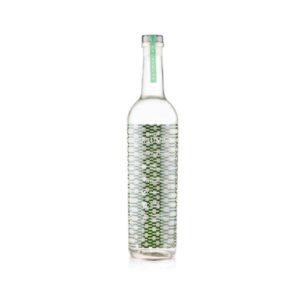
47% ABV
In the far north-east of the Mezcal Denomination of Origin region, mezcal made in Tamaulipas is unique and rarely found outside of Mexico. Two of the agave varietals used, known as Amole (Agave Funkiana and Agave Univittata), are endemic to this state. These small football-sized agave hearts are cooked together with the much larger Agave Americana by Maestro Mezcalero Cuauthemoc Jacques following the traditional method of production, using a horno de tierra (ground oven), natural fermentation with wild yeast in wooden vats, and small scale distillation in copper pot stills. The flavour profile obtained is like no other mezcal: fresh and mineral, balanced by black forest fruits.
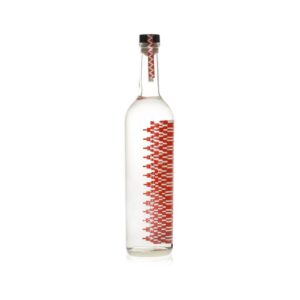
46% ABV
Two species of agave are used to produce Derrumbes Michoacan: agave Cupreata brings mature fruit aromas, while agave Cenizo brings more herbal notes. Cooked in an underground stone pit using black oak, Derrumbes Michoacan is fermented in underground tanks lined with pine wood which adds to the herbal character.
True to the tradition of mezcal production in this area, Derrumbes Michoacan is distilled using the Phillipino method, which predates copper-pot distillation. This technique requires the body of the still to be made from wood, with the alcohol vapours condensed by a copper pot full of water that sits at the top of the trunk. This process adds to the unique character of Derrumbes Michoacan, which after distillation is 46% ABV and is rested in large glass bottles before the final bottling.
42% ABV
Composed of 100% Agave Tequiliana Weber, variety Azul (Blue Agave). Produced with the ancient method prevalent before the diffusion of above-ground cooking in the 1850s. Hacienda De Guadalupe is in Juitzila, Zacatecas, a few miles from the tequila valley just across the state border. Identical climate and weather conditions. Maestro Mezcalero Jaime Bañuelos smokes the blue agaves in a Horno de Tierra (roasting pit), then crushes them with a traditional tahona, ferments naturally with wild yeast, and distils in small copper pot stills. This method develops exceptional flavour profile: on the nose it's like a higher-ABV tequila, but with strong depth of smoke and earthiness. On the palate it has the full-mouth coating texture of traditional mezcal, but elegant notes usually associated with tequila. On the finish the blue agave is very distinctive, and leaves a long tequila-like freshness with earth under notes.
48% ABV
Derrumbes Oaxaca is a perfect example of a mezcal from the Central Valley of Oaxaca. The agave is cooked in an underground stone pit using black oak to give a light smokiness, which complements the mineral and fruit notes of the Espadin agave from which it is crafted.
The fermentation is naturally aided by the addition of pulque from the agave Americana before wild yeasts complete the 72-hour process. Derrumbes Oaxaca is twice-distilled in copper pot stills, the resulting liquid is 48% ABV and is rested for up to three months in large glass bottles.